

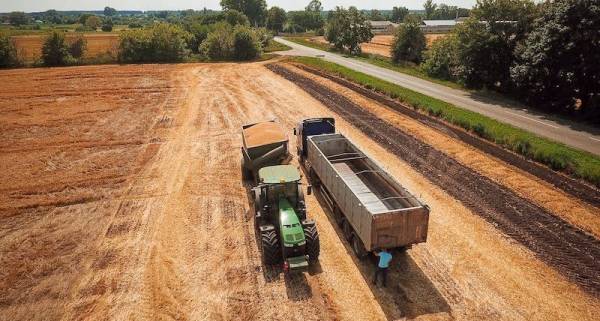
Cygnet Agrocompany achieved a wheat yield of 6.93 t/ha this year, and the company’s harvest was completed in a short period. Yuriy Boridchenko, Deputy Director for Crop Production, shared insights on the 2026 agricultural season and plans for the next one in a commentary for SuperAgronom.com.
Winter wheat was cultivated on an area of 2400 hectares among winter crops. The company does not grow early spring grains. The area under wheat will not be significantly altered, as this crop serves as a predecessor for sugar beets. The sowing of winter wheat will commence immediately after soybean harvesting, coinciding with soil preparation for sowing.
This year, a small area of sugar beets (42 ha) had to be re-sown due to damage from weevils.
"The dry air in the second half of June, which significantly impacted the grain filling of winter wheat, substantially reducing its yield, had the greatest effect on this year’s results," he stated.
The increase in the cost of plant protection products and fertilizers did not significantly affect this year’s outcomes.
The company obtained a winter wheat yield of 6.93 t/ha, primarily consisting of Grade 2 food-grade grain. This met the planned target, although it is 3 centners lower than last year’s figure. The harvest began on July 15 and was completed within a compressed timeframe of 10 days, with no major issues encountered.
Regarding grain quality, the dry weather during the maturation period led to reduced yields but contributed to the formation of high-quality grain.
"Due to the absence of maritime logistics and the risks of grain loss in ports from enemy shelling of port infrastructure, prices fell to nearly half of what was expected. We are storing the harvested crop for long-term preservation, hoping for an improvement in the current situation."

Main theme
Autumn sowing 2027

Considering the harvest logistics situation, the structure will be adjusted to increase the sown areas for soybeans and sunflowers.
As Yuriy Boridchenko noted, by mid-August, there was insufficient soil moisture to achieve uniform germination.
Phosphorus and potassium fertilizers have been procured in quantities required based on soil agrochemical analysis results.
"It is difficult to forecast expenses precisely, as the cost of sowing campaign components, especially fuel, is constantly rising. The cost of the autumn campaign will increase by more than 15%. It is too early to discuss the spring campaign," said Yuriy Boridchenko.
Regarding fertilizer savings, the company indicated that the application rate of nitrogen fertilizers in the spring will likely be adjusted.
Olena Basanets, SuperAgronom.com
Be the first to learn about the latest agronomic news from Ukraine on our Facebook page, Telegram, and subscribe to SuperAgronom’s Instagram.