

“>
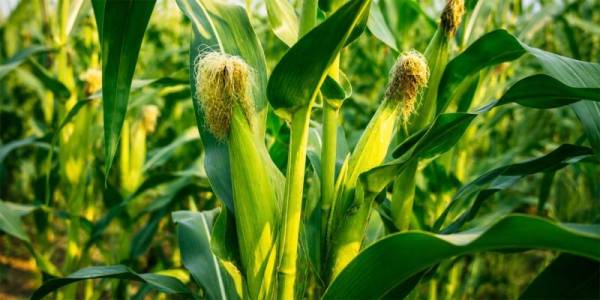
Photo: Ukravit
The harvesting of winter rapeseed and winter cereals is nearing completion, but farmers still have to fight for the harvest of corn and sunflowers. This is because, as specialists from the Ukravit company note, the weather conditions have been quite favorable for the spread of a complex of pests, including lepidopteran species, the control of which is characterized by increased complexity.
According to Iryna Usova, product manager for the “Insecticides” division at Ukravit, prolonged periods of heat and moderate humidity have created fertile ground for the increased harmful activity of lepidopteran species in field crops.
“In almost all corn-growing regions, the corn stalk borer and the cotton bollworm are found in the crops. On sunflowers, the cotton bollworm and the sunflower moth are harmful. The caterpillars damage the leaf apparatus of plants, stems, and reproductive organs, indirectly contributing to the infection by dangerous diseases. Therefore, if their numbers in the crops exceed the economic threshold of damage (ETD), or there is a probability of threat based on the sum of effective temperatures, specialized insecticides must be used,” she notes.
For reliable and long-lasting protection of corn and sunflowers, Iryna recommends preferring the insecticide Belwin (flubendiamide, 480 g/l). It activates calcium release channels sensitive to ryanodine (ryanodine receptors, RyR) within cells, causing all available calcium to be released completely.
ETD and SET: precisely determining when to carry out insecticidal treatments in crops Read
After the active ingredient enters the larvae, they lose control of their muscles and overall mobility, stop feeding, which leads to complete paralysis and death.
On corn, Belwin controls the corn stalk borer, cotton bollworm, and beet armyworm; on sunflowers, it controls the beet armyworm, cotton bollworm, and other lepidopterans. The effect of application appears very quickly – 1-2 hours after treatment – and is characterized by prolonged action. When used at recommended rates, the insecticide is safe for entomophages and pollinating insects.
The insecticide is suitable for application with both conventional sprayers and multicopters.
News Service, SuperAgronom.com
Be the first to know the latest agronomic news from Ukraine on our Facebook page, Telegram, and subscribe to SuperAgronom’s Instagram.